Step one of caring well
Breeds Matched to Real Homes
Most people fall for a breed through a photograph, a film or a friend's dog. That is a lovely start, but it is not a plan. The dogs we see struggle most are the ones whose needs simply do not fit the household: the working Collie in a busy flat, the Husky left in a garden all day, the Bulldog bought for a family who loves long summer hikes. None of those dogs did anything wrong. This page helps you avoid that mismatch by putting your life first and the breed second.
Four Questions Before Any Breed
Sit down with everyone who will share the dog and answer these together. Write the answers down; you will come back to them.
How many hours is the house empty?
Count a typical weekday, not the best one. If the answer is more than four, budget for help, whatever breed you choose.
How active is a normal week?
If your evenings are tired and short, a high-drive working breed will be frustrated, and frustration usually shows up as chewing, barking or pulling.
Who lives here, and who visits?
Small children, older relatives, cats and frequent visitors all shape which temperament will feel relaxed in your home.
What can you spend, every month, for years?
Larger dogs eat more and cost more to insure and medicate. Long or curly coats may need professional grooming every six to eight weeks.
Energy: The Trait People Misjudge
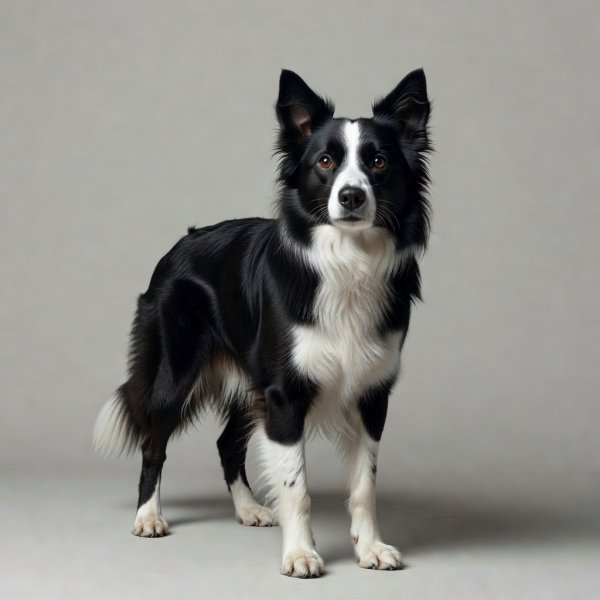
Breeds were developed for jobs, and those jobs still echo in their bodies and brains. Herding dogs such as the Border Collie were bred to watch, think and run for hours on hill farms. Gundogs like the English Springer Spaniel and Hungarian Vizsla were bred to search hedgerows all day. Sled dogs like the Siberian Husky were bred to pull across long distances. These dogs can be wonderful companions, but they need daily exercise and something to solve.
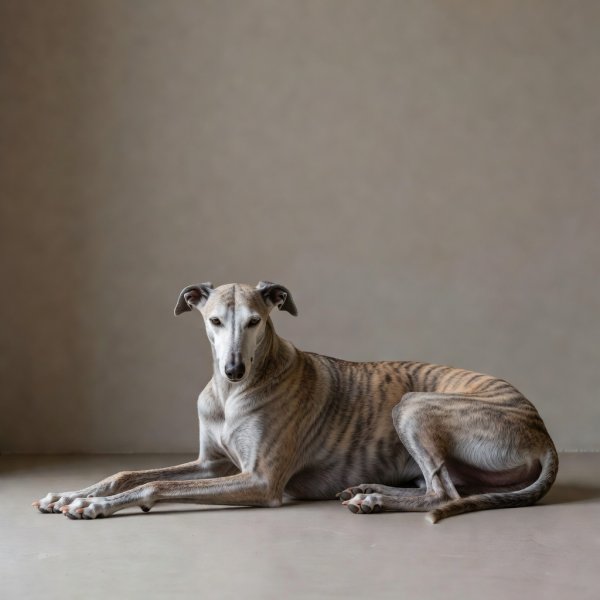
At the other end, sighthounds surprise many people. A Greyhound or Whippet sprints in short bursts and then sleeps for much of the day. Charities that rehome retired racing Greyhounds often describe them as "forty-mile-an-hour couch potatoes", and it is a fair description. The Basset Hound and Shih Tzu are also content with moderate walks.
In the middle sit the flexible family dogs: the Labrador Retriever, Golden Retriever, Cocker Spaniel, Staffordshire Bull Terrier and Miniature Poodle. Give them an hour or so of activity a day, some training games and company, and most will settle beautifully. Remember that a young Labrador can be a whirlwind until two or three years old.
A Plain Comparison Table
These are typical tendencies, not promises. Individuals vary, and a dog's upbringing matters as much as its pedigree.
| Breed | Size | Energy | Grooming | Good fit for |
|---|---|---|---|---|
| Greyhound | Large | Low indoors | Very light | Calm homes, flats with few stairs |
| Cavalier King Charles Spaniel | Small | Low–moderate | Moderate | Gentle households, older owners |
| Shih Tzu | Small | Low | High (regular clips) | Flats, quieter routines |
| Labrador Retriever | Large | Moderate–high | Moderate shedding | Active families |
| Cocker Spaniel | Medium | Moderate–high | Moderate–high | Families who enjoy walks |
| Staffordshire Bull Terrier | Medium | Moderate | Very light | People-centred homes |
| Miniature Poodle | Small–medium | Moderate | High (clips every 6–8 weeks) | Owners wanting low shedding |
| Border Collie | Medium | Very high | Moderate | Experienced, very active owners |
| Siberian Husky | Medium–large | Very high | Heavy seasonal shedding | Cool climates, secure gardens |
Health Questions to Ask a Breeder
Every breed carries some inherited risks. A responsible breeder knows them and tests for them. In the UK, the Kennel Club and the British Veterinary Association run hip and elbow scoring schemes, and there are DNA tests for many inherited eye and nerve conditions. Ask to see results for both parents, not just a promise.
Flat-faced breeds such as the French Bulldog, Pug and English Bulldog can suffer from Brachycephalic Obstructive Airway Syndrome, often shortened to BOAS. The University of Cambridge has worked with the Kennel Club on a respiratory grading scheme. If you love these breeds, look for parents with more open nostrils and a graded result, and never mistake snoring for "cute".
Cavalier King Charles Spaniels have high rates of mitral valve disease, a heart condition, and some suffer from syringomyelia. Ask about heart screening of the parents. Large, deep-chested breeds have a higher risk of bloat; learn the signs on our health page.
Crossbreeds and Rescue Dogs
Crossbreeds such as the Cockapoo or Labradoodle are popular, often for their low-shedding reputation. Be aware that coat type in a cross is not guaranteed, and both parent breeds' health tests still matter. A cross does not automatically mean a healthier dog; it depends on the parents.
Rescues are a superb route for many families, especially first-time owners. Organisations such as Dogs Trust, Battersea, Blue Cross and the RSPCA assess temperament, often know how a dog behaves with children or cats, and offer support after adoption. An adult dog's personality is already visible, which takes much of the guesswork out of matching.
Whatever route you choose, meet the dog more than once, ask lots of questions, and be ready to walk away kindly if it does not feel right. Waiting a little longer for the right dog is always better than rushing the wrong one.