Step two of caring well
Bringing a Puppy Home
A new puppy is joyful, exhausting and, for a few weeks, a little like having a newborn who can run. The good news is that most early problems — accidents on the rug, crying at night, nipping hands — are normal and they fade with patience and routine. This guide takes you from finding a puppy to the end of the first ninety days, one calm step at a time.
Finding a Puppy the Right Way
Always see the puppy with its mother, in the place it was raised. In England, Lucy's Law came into force in April 2020, which means puppies under six months must be bought directly from the breeder or adopted from a rescue, not sold by a third-party dealer or pet shop. Breeders in England must also have the puppy microchipped by eight weeks of age, and the details should transfer to you.
The Puppy Contract, created by the RSPCA and the Animal Welfare Foundation, is a free document that helps you ask the right questions and record what the breeder has told you. A good breeder will be pleased you asked. The Kennel Club's Assured Breeder Scheme is another starting point, though you should still check health tests yourself.
Red flags
Meeting in a car park, "mum is out on a walk", several breeds on offer, pressure to pay a deposit before visiting.
Green flags
A waiting list, questions about your home, health test certificates, and an offer to take the dog back at any stage of life.
Preparing the House
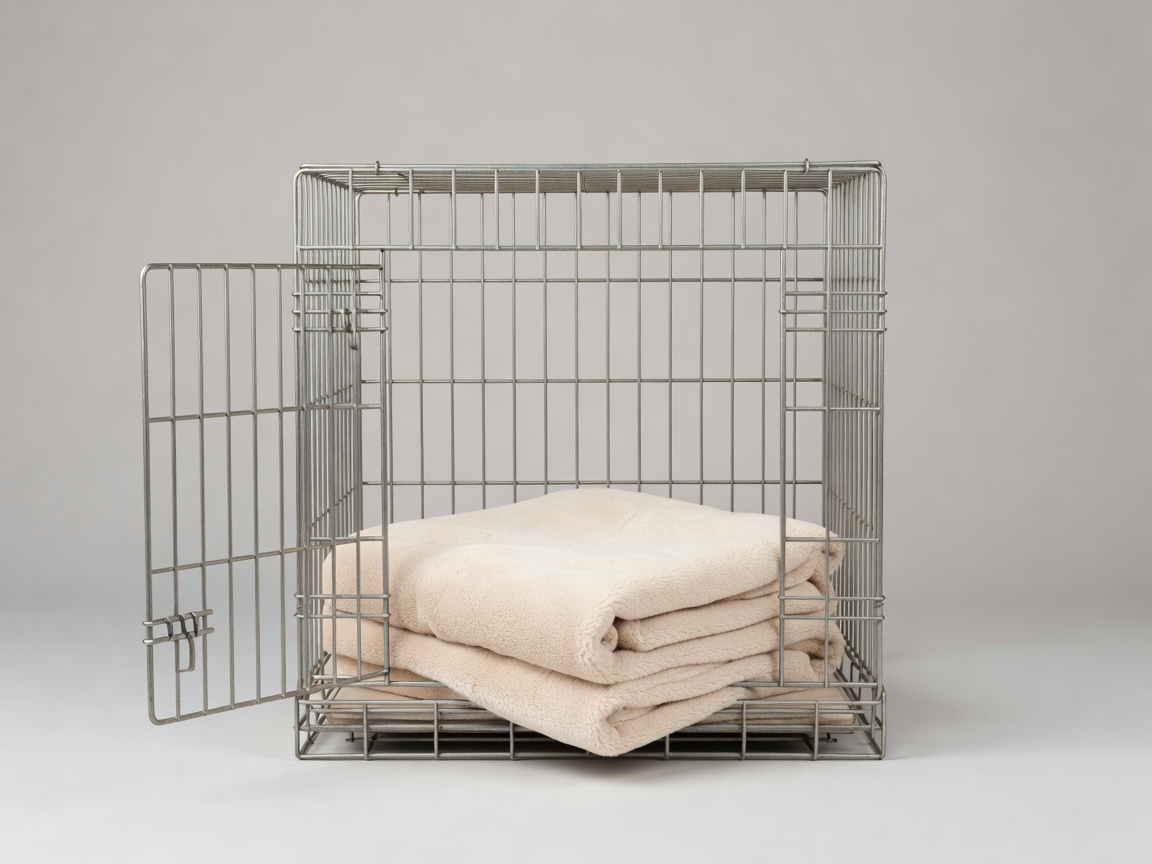
Before collection day, choose a small, quiet base for your puppy: a crate with the door open, or a pen in the kitchen. Add a soft bed, a water bowl, and a few chew toys of different textures. Puppies sleep up to eighteen hours a day, and a protected den helps them rest.
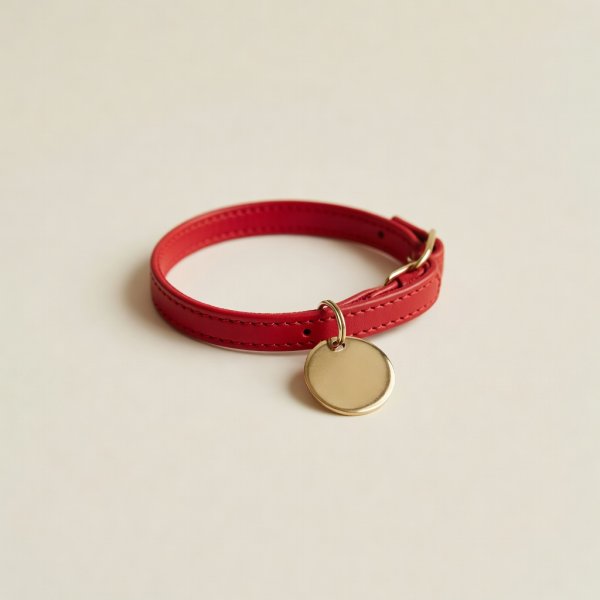
Puppy-proof at floor level. Tuck away cables, lift shoes, and move houseplants, medicines and bin bags out of reach. Put stair gates where you need them. Choose a flat collar or a soft harness with an ID tag; in the UK the law requires a tag with the owner's name and address when your dog is in a public place.
Ask the breeder or rescue what food the puppy is eating and keep it the same for the first week or two. Any change should be gradual, over about seven days, to avoid an upset stomach.
The First Ninety Days, Week by Week
- Day 1
Collect in the morning if you can, so your puppy has a full day to explore before night. Keep visitors away. Offer the toilet spot outside straight away and praise softly when they go.
- Days 2–7
Toilet trips after every sleep, meal and play session, and at least every hour while awake. Sleep near your puppy at first; a hand dangled by the crate eases night crying. Book the first vet visit.
- Weeks 2–3
Start name games and "sit" with tiny treats. Handle ears, paws and mouth briefly each day so future vet and grooming visits are easy.
- Weeks 3–6
Socialisation is the big job. Before about twelve to fourteen weeks of age, puppies learn what is normal. Carry them to see traffic, buses, umbrellas and people in hats, keeping every meeting short and pleasant.
- Weeks 6–9
Join a reward-based puppy class once your vet is happy. Begin short absences: a minute, then five, then fifteen, while your puppy has a chew.
- Weeks 9–13
Practise recall on a long line in safe spaces. Walks stay short and gentle; growing joints do better with play and exploring than with long marches.
Vaccines, Worms and the Vet
Your vet will set a vaccination schedule suited to your area. In the UK this usually covers distemper, canine hepatitis, parvovirus and leptospirosis, with the first injection often at around eight weeks and the second a few weeks later. The World Small Animal Veterinary Association publishes global guidelines that many vets follow, including a final puppy dose at sixteen weeks or older in some cases. Ask when your puppy can safely walk in public places.
Puppies also need regular worming and flea treatment. Ask about lungworm, which is spread by slugs and snails and is present across much of the UK. Talk to your vet about pet insurance now, before any conditions appear, and about the right age to neuter, which can differ for large breeds.
Nipping, Crying and Other Normal Things
Nipping
Puppies explore with their mouths. Swap your hand for a toy, and if they get too wound up, calmly pause play. Overtired puppies bite more, so build in naps.
Night crying
It is lonely being away from the litter. Comfort is not "spoiling". Gradually move the crate further from your bed over a couple of weeks.
Accidents
Clean with an enzyme cleaner, never punish. Accidents mean you need more frequent trips, not a stricter tone.
Books such as Ian Dunbar's Before and After Getting Your Puppy and John Bradshaw's In Defence of Dogs are good further reading. When the first ninety days end, carry on with the daily rhythm of care.