Step four of caring well
Food, Walks and Grooming
Dogs love predictability. Meals at roughly the same times, walks they can count on, and a few minutes of gentle grooming become anchors in their day. That rhythm lowers stress, makes training easier and lets you spot small changes before they become big ones. Here is how to build one that fits your household without turning into a chore.
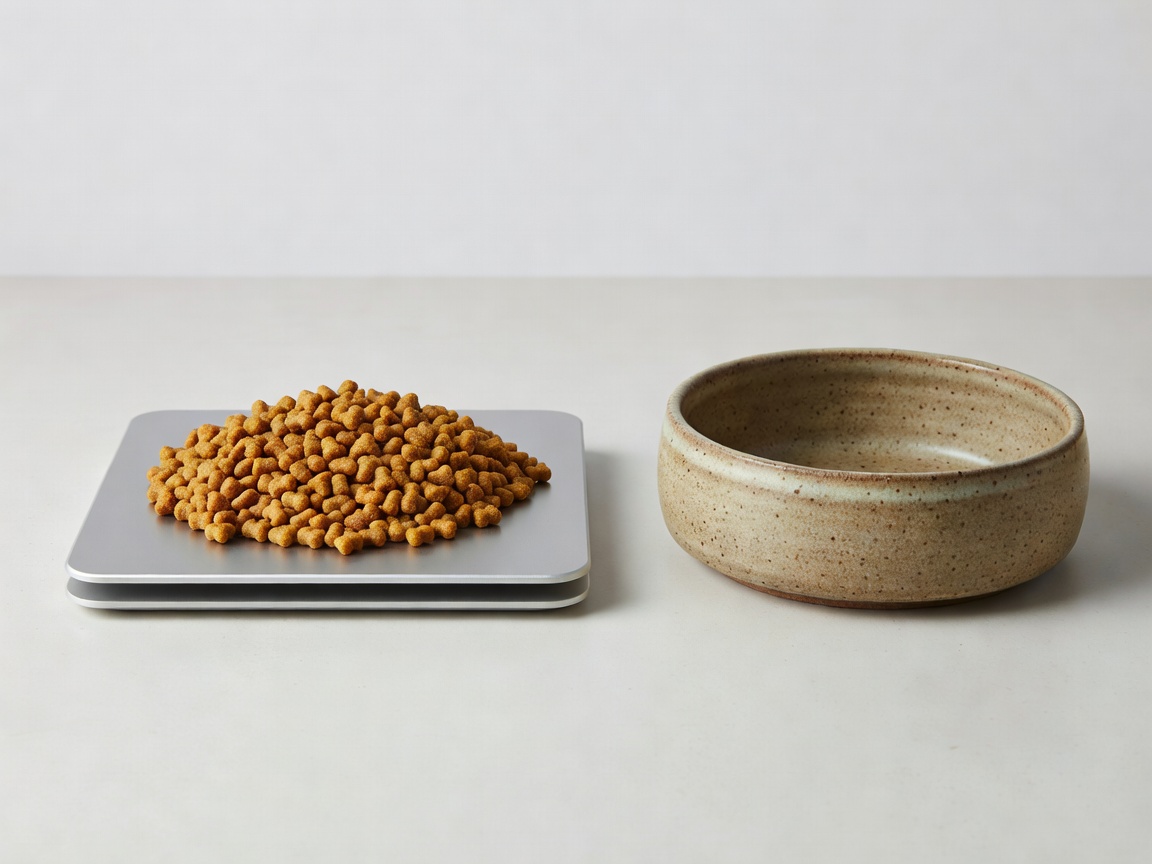
Choosing and Measuring Food
Look for a food labelled "complete", which means it is designed to provide everything your dog needs on its own. In Europe, reputable manufacturers follow the nutritional guidelines of FEDIAF, the European pet food industry federation; in the United States, look for a statement that the food meets AAFCO nutrient profiles. "Complementary" foods and toppers are extras, not a full diet.
Puppies need a growth formula, and large-breed puppies benefit from foods made for their slower, longer growth. Price is not always a guide to quality; what matters is that the food is complete, suits your dog's life stage, and your dog thrives on it.
Weigh, don't scoop
Cups and scoops vary wildly. A cheap kitchen scale is one of the best health tools you can own.
Count the treats
Keep treats and chews to roughly ten per cent of daily calories, and reduce meals on heavy training days.
Change slowly
Switch foods over about a week, mixing in more of the new food each day.
Fresh water always
Wash the bowl daily. Take water on walks in warm weather.
Reading Your Dog's Body Condition
Pack guidelines are a starting point, not a rule. Your dog's body tells you whether the amount is right. Many vets use a nine-point body condition score, where four or five is ideal.
At an ideal weight you can feel the ribs easily under a thin layer of fat, as if feeling the back of your hand. From above there is a visible waist behind the ribs, and from the side the belly tucks up. If you have to press to find the ribs, or the waist has vanished, cut portions by around ten per cent and check again in a few weeks. Weigh your dog monthly; many vet practices will let you use their scales for free.
Fluffy breeds hide weight well, so always use your hands as well as your eyes.
Walks That Truly Satisfy
How much exercise your dog needs depends on breed, age and health; our breed page gives typical ranges. But the quality of a walk matters as much as its length. A dog marched briskly around the same block on a tight lead may come home more frustrated than tired.
Try "sniffaris": slow walks where your dog chooses the pace and follows scents. Sniffing is how dogs read the world, and it is calming and mentally tiring. Mix in a little training, some play on a long line, and the occasional new route.
Hot and cold weather
On warm days, walk early in the morning or late in the evening. Press the back of your hand on the pavement for five seconds; if it is too hot for you, it is too hot for paws. Never leave a dog in a parked car, even with windows open. In icy weather, rinse paws after walks on gritted roads and consider a coat for thin-coated breeds such as Whippets and Greyhounds.
Brain work at home
Snuffle mats, food puzzles, scatter feeding in the garden and short training sessions all burn mental energy. On rainy days, fifteen minutes of nose work can be worth an hour of walking.
Grooming by Coat Type
Smooth coats
Staffies, Greyhounds and Boxers need a weekly rub with a rubber mitt to lift dead hair and spread oils.
Double coats
Labradors, Huskies and Collies shed heavily in spring and autumn. Brush several times a week, and never shave a double coat; it protects against both heat and cold.
Curly and long coats
Poodles, Bichons, Shih Tzus and doodle crosses mat easily. Brush through to the skin with a slicker and comb, and book a professional clip every six to eight weeks.
Wire coats
Many terriers are hand-stripped a few times a year to keep the coat's texture.
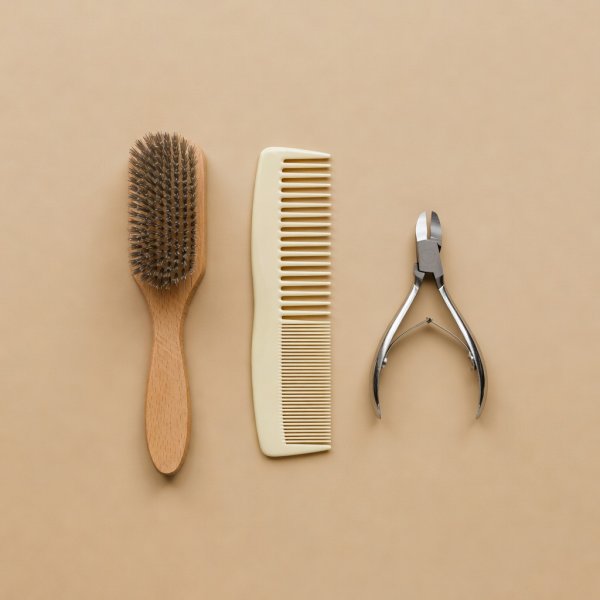
The Small Weekly Checks
Once a week, during a calm moment, run your hands over your whole dog. Feel for new lumps, check between the toes for grass seeds, look inside the ears for redness or a strong smell, and lift the lips to look at teeth and gums. Trim nails if you can hear them clicking on hard floors, taking off a little at a time. If you are nervous, your vet nurse or groomer will happily show you how.
Pair each check with a treat and you will raise a dog who sees handling as a pleasure, which makes every future vet visit easier for everyone.